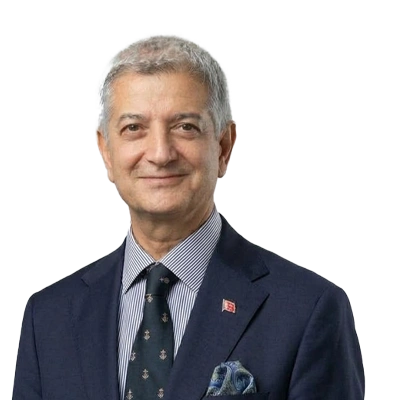
Cemal SANGU
Tüm YazılarıPeace Waiting in the Shadow of the Mountains
The majestic outline of the Himalayas seems, from afar, to promise peace and serenity. Snow-covered peaks, deep valleys and the silence of this ancient landscape reveal nature’s enduring grandeur. Yet behind this magnificent scenery lies the weight of a dispute etched into the memory of generations, along with hopes left unfulfilled. Jammu and Kashmir is not merely a territory where borders and political calculations intersect; it is also a place where people’s aspirations for peace, security, dignity and a better future take shape.
Every year, on 27 October, Pakistan observes Kashmir Black Day, commemorating the entry of Indian troops into Srinagar in 1947. In Pakistan, the day symbolises the unresolved Jammu and Kashmir dispute and its lasting implications for the political aspirations and human security of the Kashmiri people. Despite the passage of decades, the dispute remains not merely a disagreement between Pakistan and India, but a historical, political and humanitarian challenge with profound consequences for peace and stability across South Asia.
Peace means more than the silence of guns. It requires an environment in which people can imagine tomorrow without fear and children can look towards the future with hope rather than anxiety. Any lasting approach to Jammu and Kashmir must therefore move beyond geopolitical calculations and place human dignity at its centre.
Historical Legacy and Regional Security
The Jammu and Kashmir dispute emerged from the partition of British India in 1947 and became one of the most enduring challenges to the political order of South Asia. United Nations Security Council Resolution 47, adopted on 21 April 1948, envisaged a free and impartial plebiscite within a framework of prescribed conditions and arrangements. Over the decades, however, the dispute became intertwined not only with historical and political claims but also with deep-rooted security concerns.
The Simla Agreement of 1972 established an important diplomatic framework for relations between Pakistan and India and for addressing their differences through peaceful means. Yet the existence of agreements and diplomatic initiatives has not, by itself, brought the dispute to a comprehensive resolution. History reminds us that an unresolved question does not disappear with the passage of time. It may instead become a heavier inheritance for each succeeding generation.
The military confrontation between Pakistan and India in May 2025 once again demonstrated how dangerous the region’s fragility could become. As tensions escalated rapidly, South Asia came closer to a wider conflict. The ceasefire understanding announced on 10 May was an important step towards preventing further escalation, although the silence of the guns did not resolve the underlying dispute.
Beyond Geopolitics: Human Dignity
I was in Karachi during those days. I followed events not only through television screens and official statements, but also with the immediacy that comes from being present in the region. Everyday life continued, yet the uncertainty surrounding the crisis could still be felt. Each new announcement brought fresh questions about where the confrontation might lead. At such moments, the value of peace becomes clearest when the possibility of losing it draws near.
Those days in Karachi reminded me that diplomatic crises are about more than maps and political statements. Behind every escalation are millions of people who simply wish to live in safety and look towards the future with hope. Diplomacy is therefore not merely the art of managing disagreements; it is also the responsibility of preventing a greater tragedy.
This is why the human dimension of Jammu and Kashmir cannot be treated as secondary to geopolitics. Political aspirations, security, fundamental freedoms, human dignity and expectations for the future are not peripheral concerns. They belong at the heart of any lasting settlement. The people of the region are not merely subjects of strategic calculations; they are individuals whose lives, identities and hopes deserve to be heard and respected.
Five Diplomatic Priorities for Peace
A lasting peace will not emerge through a single announcement or a quick diplomatic gesture. It requires patience, sustained engagement and a willingness to prevent disagreement from turning into renewed confrontation. Several priorities can help sustain such an effort.
First, the ceasefire must be preserved. Keeping military tensions from escalating again requires functioning communication channels, restraint and practical measures to protect civilian life and prevent miscalculation.
Second, dialogue must be strengthened. Rebuilding trust in an atmosphere of suspicion is difficult, but the absence of communication can deepen misunderstandings and open the way to further crises. Diplomatic engagement does not require denying the existence of differences; it offers a means of managing them without resorting to force.
Third, the aspirations and rights of the Kashmiri people must remain central. Discussions about the future of Jammu and Kashmir should not overlook the political aspirations, security concerns and humanitarian needs of its people. The social legitimacy of any lasting settlement depends on whether people feel that their voices have been heard and their dignity respected.
Fourth, humanitarian and practical cooperation should be encouraged. Initiatives that ease everyday difficulties, address humanitarian needs and create opportunities for mutual confidence can help build the foundations for broader political understanding.
Fifth, the search for a peaceful settlement consistent with international law must continue. Historical disputes cannot be resolved sustainably through the use of force alone. Legal frameworks, diplomatic dialogue and the willingness of the relevant parties to pursue peaceful avenues remain essential to any durable solution.
These priorities should not be understood as a prescription imposed by one side upon another. They represent elements of a broader diplomatic approach aimed at reducing the risk of conflict, protecting human life and keeping open the possibility of a peaceful settlement.
Türkiye’s Perspective and the Responsibility of Diplomacy
Türkiye follows developments in South Asia closely, reflecting its historical and humanitarian ties with the region. The friendship between Türkiye and Pakistan extends beyond formal diplomatic relations; it is sustained by mutual solidarity, cultural affinity and the sincere bonds between their peoples. My years representing Türkiye in Karachi deepened my personal and professional attachment to Pakistan and its people. That experience has encouraged me to view developments affecting the region’s peace and stability not only through a strategic lens but also through a sense of human responsibility.
A diplomatic approach that serves peace must do more than understand the sensitivities of the parties. It must also preserve channels for communication, encourage restraint and support opportunities for dialogue. Diplomacy should not render one side’s concerns invisible; it should create space in which different perspectives can be addressed through negotiation rather than confrontation.
A lasting peace in Jammu and Kashmir requires an approach that acknowledges historical realities and relevant legal frameworks while placing the value of human life and dignity above political calculations. Türkiye’s commitment to regional peace and dialogue finds meaning within this broader principle.
Conclusion: From the Shadows of History to the Promise of Peace
The Jammu and Kashmir dispute is not merely an unresolved inheritance from the past. It is also a test of how the future will be shaped. History can leave deep marks on the collective memory of societies, but those marks need not determine the fate of future generations forever. A new path remains possible: one that does not deny the pain of the past, seeks to understand different historical narratives and recognises human dignity as a shared value.
The days I spent in Karachi during the May 2025 confrontation reminded me that peace is far more than a diplomatic term. Peace is the ability to greet the quiet of the night without fear and to await the news of a new morning with hope rather than dread. Above all, it means refusing to leave the future of millions of people at the mercy of a brief but dangerous military escalation.
The mountains, valleys and rivers will continue to bear witness to the passage of time. The question is what the people of this region will pass on to the generations that follow: the legacy of fear, or the possibility of peace. Diplomacy bears a vital responsibility in shaping the answer. For the door to peace opens not only when we remember the wounds of history, but when we find the resolve to prevent the wounds of tomorrow.
Dr. Cemal Sangu
Güncel Yazıları
The Key to Peace in Kashmir: Historical Legacy, the Human Dimension and the Search fo..
27 Ekim 2026
The Voice Rising from Africa: France’s Colonial Shadow and a Changing World
21 Ekim 2026
What Is Happening in France? Are the Streets Writing History Again?
13 Ekim 2026
Fransa'da Neler Oluyor? Sokaklar Yeniden Tarih mi Yazıyor?
13 Ekim 2026
Haritaların Ötesinde Doğu Timor
06 Ekim 2026
Bearing Witness to History: From Moro to Bangsamoro — The Journey from Arms to Peace..
23 Eylül 2026
Tarihe Tanıklık: Moro’dan Bangsamoro’ya — Silahlardan Barışa Uzanan Yol
23 Eylül 2026
BRICS’ New Delhi Summit: The Changing Global Order and the Search for a New Balance
18 Eylül 2026
BRICS'in Yeni Delhi Zirvesi: Değişen Küresel Düzen ve Yeni Denge Arayışı
18 Eylül 2026


